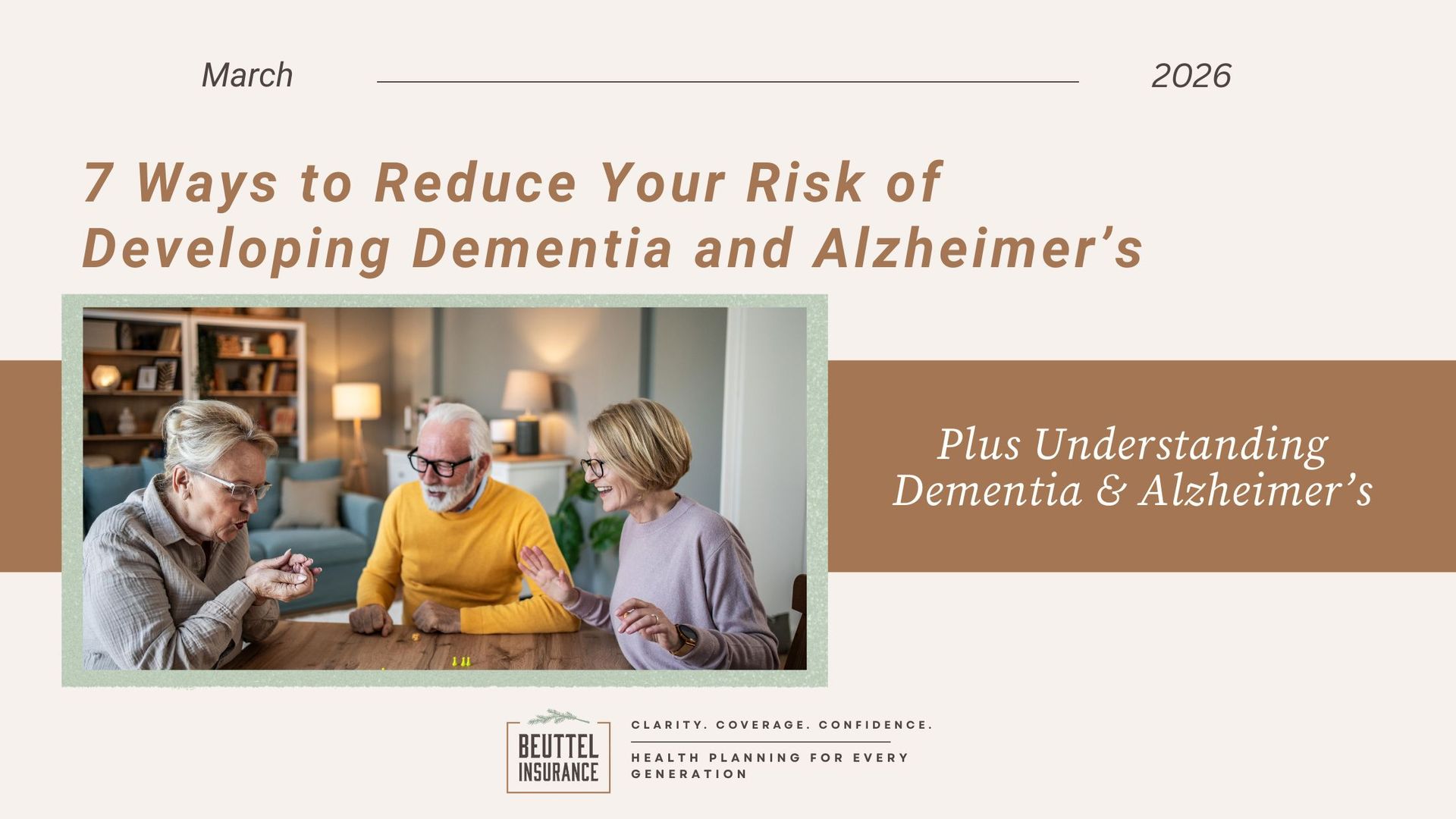
Understanding Dementia & Alzheimer’s + 7 Ways to Support Lifelong Brain Health

March 5, 2026

As I help care for my own aging parent, I’m learning in real time how important understanding brain health truly is. The conversations feel different. The small changes feel bigger. And the questions — about memory, about aging, about what’s normal and what isn’t — become deeply personal.

When you begin walking this road with someone you love, education and awareness matter more than ever. Not from a place of fear — but from a place of preparation, clarity, and compassion.

Understanding the Difference: Dementia vs. Alzheimer’s

Dementia and Alzheimer’s are terms people often use interchangeably — but they’re not exactly the same. 


Dementia is a syndrome — It’s an umbrella term used to describe a broad range of symptoms like memory loss, confusion, and difficulties with thinking or reasoning that interfere with everyday life. 


Alzheimer’s disease is the most common cause of dementia and involves specific changes in the brain that gradually worsen over time. However, not everyone with dementia has Alzheimer’s. There are several other forms of dementia, each with different underlying causes.

While risk does increase with age, research continues to show that many factors influencing brain health are modifiable — meaning there are meaningful steps we can take throughout life to support cognitive wellness.

7 Strategies for Brain Health

While there is no single action that guarantees prevention, research consistently shows that everyday habits can meaningfully support cognitive wellness. The encouraging part? Many of these choices are within our control.


Here are seven research-supported ways to support brain health at any age:

#1 Stay Physically Active


Physical activity is one of the most consistently recommended ways to support brain health. Exercise improves blood flow, supports heart health (which is closely connected to brain health), reduces inflammation, and may help slow cognitive decline over time.


Even moderate movement — like brisk walking, cycling, swimming, or dancing — done consistently can make a meaningful difference.


Tips to Get Moving:


  • Aim for 150+ minutes of moderate-intensity activity per week
  • Include strength training (resistance bands or light weights) at least twice weekly
  • Break up long periods of sitting with short activity breaks

#2 Eat for Brain Health

While no specific food can “prevent” dementia, healthy eating patterns are associated with better long-term cognitive outcomes. Diets rich in fruits, vegetables, whole grains, lean proteins, and healthy fats — such as the Mediterranean or MIND eating patterns — are linked to lower risk of cognitive decline.


Ways to Nourish Your Brain:

  • Focus on leafy greens, berries, nuts, and fish
  • Choose olive oil over saturated fats
  • Limit highly processed foods, excess sugar, and refined carbohydrates

#3 Manage Cardiovascular & Metabolic Health

Heart health and brain health are deeply connected.  Conditions like high blood pressure, diabetes, and high cholesterol increase dementia risk — not just heart disease risk.


Proactive management supports your whole body.


Key Actions:

  • Get regular screenings for blood pressure and blood sugar
  • Follow medical guidance for managing chronic conditions
  • Maintain a healthy weight

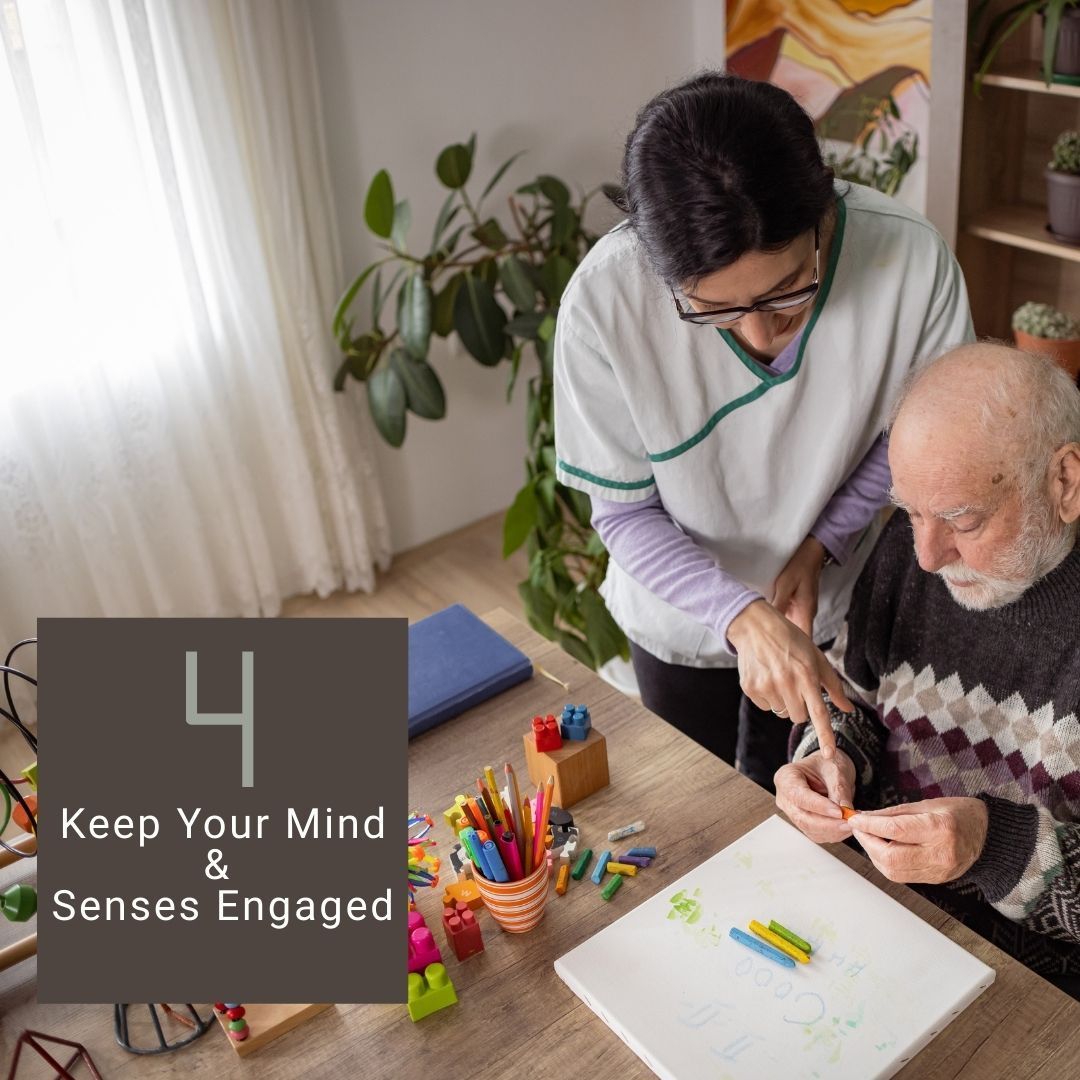
#4 Keep Your Mind & Senses Engaged

Mental stimulation and social connection help build what researchers call “cognitive reserve” — the brain’s ability to adapt and stay resilient as we age.


Staying engaged isn’t just enjoyable — it’s protective.


Brain-Boosting Habits:

  • Read regularly or learn something new
  • Play games that challenge memory and reasoning
  • Stay socially connected with friends, family, and community

#5 Address Vision & Hearing Changes


Uncorrected vision or hearing loss can lead to social withdrawal and reduced cognitive stimulation. Research shows that properly addressing hearing or vision loss may help slow cognitive decline.


Sometimes small corrections make a big difference in maintaining engagement and awareness.


#6 Avoid Tobacco & Minimize Alcohol


Smoking damages blood vessels, increases inflammation, and interferes with healthy brain aging. The encouraging news? Quitting can reduce risk — even later in life.


Excessive alcohol use can also negatively impact memory and cognition. Moderation and awareness are key.


#7 Prioritize Quality Sleep


Sleep plays a vital role in memory consolidation, mood regulation, and overall brain function.  


Poor sleep patterns and untreated sleep disorders — including sleep apnea — are associated with increased dementia risk.


Aim for consistent, restorative sleep, and speak with a healthcare provider if sleep challenges persist.


Rest is not a luxury — it’s foundational.


My Final Thoughts…

There is no guaranteed way to prevent dementia or Alzheimer’s. Age, genetics, and family history all play a role.

However, the research is encouraging. The choices we make consistently over time how we move, nourish our bodies, manage chronic conditions, stay socially connected, and prioritize rest — all influence long-term cognitive wellness.


In addition to lifestyle habits, some individuals also explore supplements that support brain and cognitive health as part of a broader prevention strategy. While supplements are not a cure and should never replace medical guidance, certain nutrients have been studied for their role in supporting memory, inflammation balance, and overall brain function. It’s always wise to discuss any supplement plan with a healthcare provider to ensure it aligns with your personal health needs.


Prevention is rarely about one single solution — it’s about steady, informed steps taken over time.


If you’re concerned about memory changes for yourself or someone you love, early conversations with a healthcare provider can bring clarity and direction. Education allows us to approach these seasons with greater confidence and compassion.


If you’d like help finding resources available to help you navigate brain health, dementia, or Alzheimer’s, please reach out to me so I can connect you with the support you deserve. 


No family should ever have to face this journey alone. We are honored to walk alongside you.


Elizabeth Beuttel

February 9, 2026
Learn how Medicare supports heart health and preventive wellness, including screenings, wellness visits, and simple tools to help you stay informed and proactive.
Medicare late enrollment penalties, Turning 65 Medicare,  Medicare and retirement planning,
January 23, 2026
Learn what Medicare late enrollment penalties are, who may be at risk during key life transitions, and how understanding your enrollment timing can help you avoid unnecessary costs.
January 9, 2026
For many women, this season of life marks the beginning of a meaningful new chapter. Some are preparing for retirement, some are still working, and many are balancing it all while caring for aging parents, supporting adult children, or both. Women are natural caregivers. We spend years showing up for everyone else — family, work, loved ones — often without a second thought. But as we step into this next chapter, caring for you becomes more important than ever. It’s not selfish. It’s essential. The good news? Medicare offers preventive benefits designed to support women’s health, independence, and overall well-being. Understanding how to use your coverage can help you stay ahead of health concerns, reduce stress, and feel confident about the years ahead.
December 4, 2025
If you’re starting a new Medicare plan on January 1—or even keeping the same one—now is the perfect time to make sure everything is lined up for a smooth start to 2026. We put together a few quick reminders to help you feel prepared and confident as you head into the new year.
Two cyclists near ocean, promotion for Medicare Supplement Plans.
November 6, 2025
Discover how Medicare Supplement (Medigap) plans fill coverage gaps, offer nationwide access, and provide predictable, reliable care. Learn more with Beuttel Insurance.
October 24, 2025
Snowbirds, stay covered year-round! Beuttel Insurance explains how to manage Medicare benefits across state lines with confidence.
A thumbnail image of the PDF guide to create a Medicare.gov account.
By Elizabeth Beuttel October 2, 2025
Download this helpful guide from Beuttel Insurance to create an account on the Medicare.gov website and sign in to compare plans in your area.
A thumbnail image of the AEP Checklist from Beuttel Insurance
By Elizabeth Beuttel October 2, 2025
Download this handy checklist to help you through Medicare's Annual Enrollment Period for 2026 coverage.
October 2, 2025
What to Do When Your Medicare Advantage Plan Ends
September 18, 2025
Key Takeaways Medicare Part D won’t cover every dollar spent on prescriptions, but the $2,100 cap is a big step forward. There are programs and resources to help you save — from patient assistance programs and non-profits to state-based help and cost-saving pharmacies . Always check eligibility, since not every program works with Part D coverage. Planning ahead can help you lower your costs and avoid surprises at the pharmacy counter.
Show More