


Turning 65? 10 Medicare & Retirement Planning Questions You Should Be Asking

Estimated reading time: 5 minutes| Turning 65 or planning for retirement? Explore 10 important Medicare questions covering enrollment timing, employer coverage, HSAs and healthcare costs to help you prepare with confidence.
Key takeaways
- Start planning before turning 65. Knowing your Medicare enrollment timeline gives you time to prepare.
- Still working? Check your employer coverage. Your coverage and employer size can affect whether you can delay Medicare.
- Coordinate Medicare with your HSA. Enrollment can affect new contributions, including those made during retroactive coverage.
- Include healthcare in your retirement budget. Consider premiums, prescriptions and other out-of-pocket expenses.
- Prepare before choosing coverage. Gather your doctors, medications and current insurance details to help explore your options.
Turning 65 is an exciting milestone, but it can also bring a lot of questions.
When should you enroll in Medicare? What if you’re still working? What happens to your HSA? And how does Medicare fit into your retirement plans?
You don’t need to figure it all out at once. Here are
10 important questions to start asking as you prepare for Medicare and your next chapter.
1. When should I start preparing for Medicare?
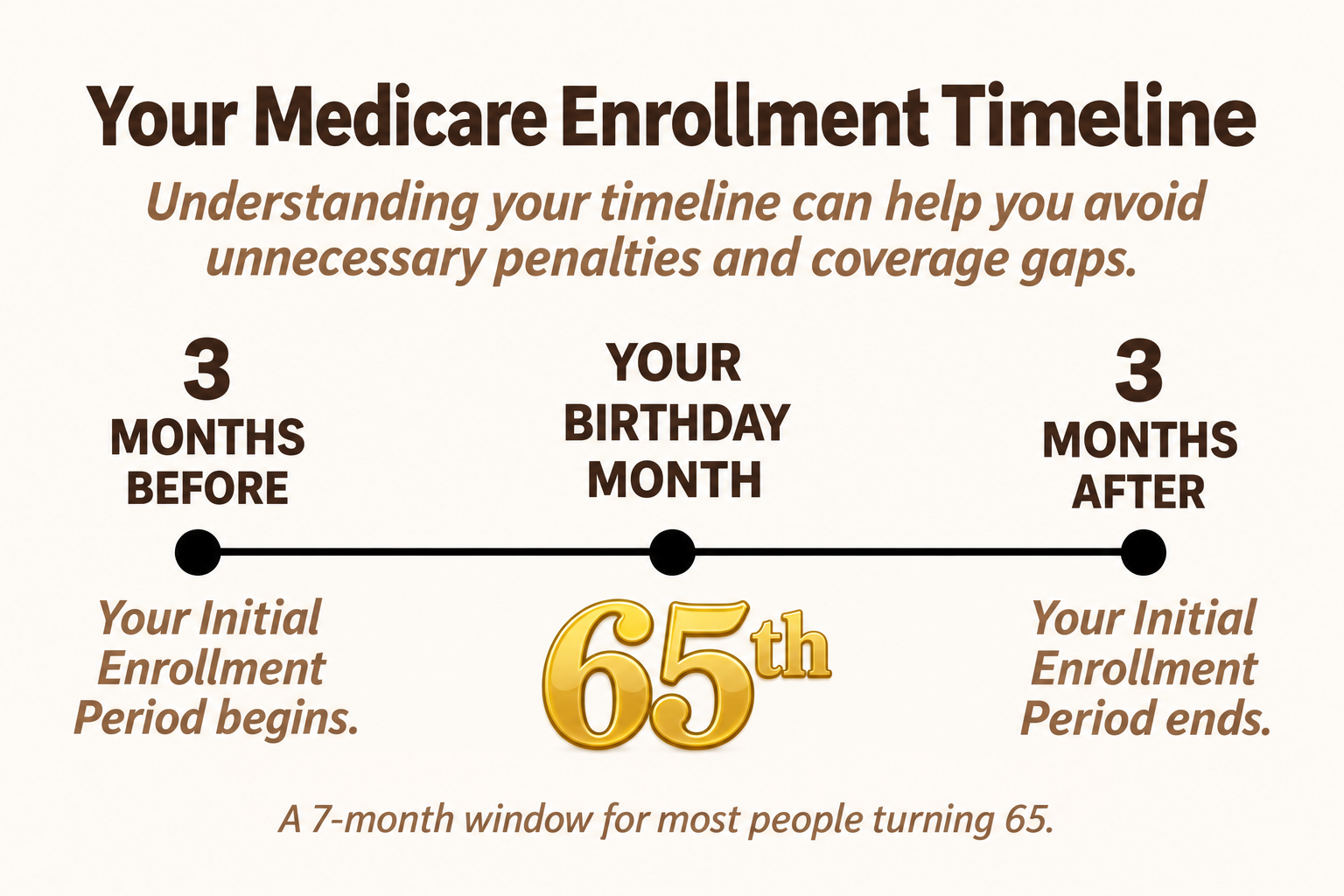
For most people, the Medicare Initial Enrollment Period is a 7-month window that begins three months before the month you turn 65 and ends three months after your birthday month.
But don’t wait until your 65th birthday to start planning. Understanding your timeline early gives you time to prepare and make informed decisions.
Planning Tip: Start learning about your Medicare options several months before turning 65.

2. Do I have to enroll in Medicare at 65 if I’m still working?
Not necessarily.
If you or your spouse are still actively working and you have qualifying employer coverage, you may be able to delay certain parts of Medicare without a late-enrollment penalty. Your employer size and type of coverage can affect the rules.
Planning Tip: Before delaying Medicare, find out exactly how your employer coverage coordinates with it.
3. What happens to my HSA when I enroll in Medicare?
You can continue to use money already in your HSA after enrolling in Medicare, but Medicare enrollment affects your ability to make new HSA contributions.
This is particularly important if you work past 65 because Medicare Part A can sometimes be retroactive, which can affect HSA contributions you've already made.
Planning Tip: Coordinate your Medicare enrollment timing with your HSA contributions and consult your tax professional for individual tax guidance.
4. What are Medicare Parts A, B, C & D?
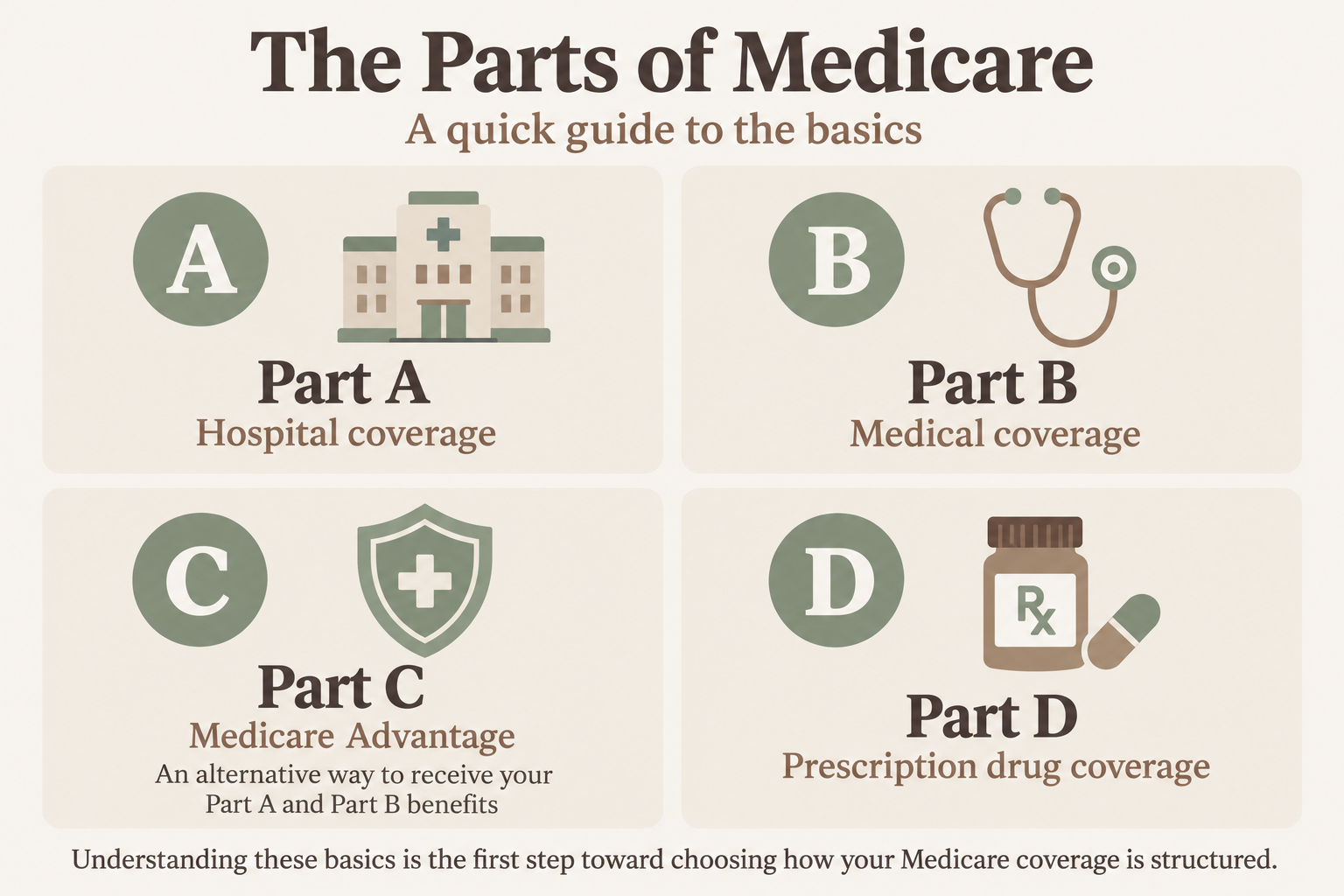
Here's the quick version:
- Part A: Hospital coverage
- Part B: Medical coverage
- Part C: Medicare Advantage
- Part D: Prescription drug coverage
Understanding these basics is the first step toward deciding how you want your Medicare coverage structured.

5. What’s the difference between Original Medicare + Medigap and Medicare Advantage?
These are different ways of receiving and supplementing your Medicare coverage.
Things like provider access, prescription coverage, out-of-pocket costs, travel and your healthcare needs can all play a role in deciding which approach fits your situation.
There isn't a one-size-fits-all answer — which is why understanding how each option works is so important.
6. How much should I budget for healthcare in retirement?
Medicare doesn’t necessarily mean your healthcare expenses disappear at 65.
Your retirement healthcare budget may include Medicare premiums, prescription coverage, supplemental coverage, copays, deductibles, dental, vision, hearing and other out-of-pocket expenses.
Planning Tip: Include healthcare costs as part of your overall retirement budget before you retire.
7. What happens to my employer health coverage when I retire?
If you’re retiring after 65, find out when your employer coverage ends and when Medicare should begin.
You’ll also want to know whether you have retiree benefits and whether your prescription coverage is considered creditable.
Planning Tip: Start this conversation before your retirement date so you have time to coordinate your coverage.
8. What happens to my prescription drug coverage?
If you’re delaying Medicare drug coverage because you have coverage through an employer, find out whether your current prescription coverage is considered creditable coverage.
When it’s time to review Medicare options, have an updated list of your medications, dosages and preferred pharmacies ready.
This information can be an important part of evaluating your coverage.
9. Could I face a Medicare late-enrollment penalty?
Depending on your circumstances, delaying certain parts of Medicare without qualifying coverage can potentially result in late-enrollment penalties or gaps in coverage.
That’s another reason why understanding your Medicare timeline matters.
Want to learn more?
→ Read: “Medicare Late Enrollment Penalties: What You Need to Know,” for helpful information on Turning 65, planning for retirement, enrollment timing and avoiding costly mistakes.
10. What should I have ready before meeting with a Benefits Specialist?
You don’t need to become a Medicare expert before asking for help. Having a few things ready can make the conversation easier:
- Current health insurance information
- Doctors and specialists
- Prescription medications
- Preferred pharmacies
- Expected retirement date, if you're still working
- Employer or retiree coverage information
- HSA information, if applicable
- Questions you already have about Medicare
Next Steps.....
Turning 65 in 2027? Stay tuned for our upcoming monthly Turning 65 informational meetings, where you can learn more about Medicare, the enrollment process, and how to prepare. We’ll share dates and details soon!
Whether you’re retiring at 65, continuing to work, covered through a spouse or still deciding what retirement will look like, understanding your Medicare timeline is an important part of planning ahead.
Ready to start planning? Let’s talk. (530) 303-3366

This article is intended for general educational purposes only and should not be considered legal, tax, or financial advice. Program eligibility, income limits, and benefits may change. To confirm whether you qualify and obtain the most current information, please contact the appropriate government agency or speak with a licensed Medicare professional.
The post Adventure Awaits—But Is Medicare Coming With You? appeared first on Beuttel Insurance.